Maternal Health & Family Well-Being

Healthy Mothers. Strong Families. Thriving Communities.
HOPE advances maternal health and family well-being through research, leadership development, public policy education, and community-informed solutions. We work to ensure that the experiences of mothers and families inform stronger systems of care and greater economic opportunity.
Why Maternal Health and Family Stability Belong Together
A healthy pregnancy and a strong start for children depend on more than medical appointments. Families also need reliable health coverage, nutritious food, affordable child care, supportive workplaces, and access to trusted services. When these systems are difficult to navigate, families can face overlapping pressures during pregnancy, postpartum recovery, and early childhood.
Changes to federal health and nutrition programs under the 2025 reconciliation law, H.R. 1, make it especially important for community leaders to understand eligibility rules, implementation timelines, and potential barriers to care. HOPE will use reliable public information to help leaders understand changing systems and identify opportunities for stronger coordination.
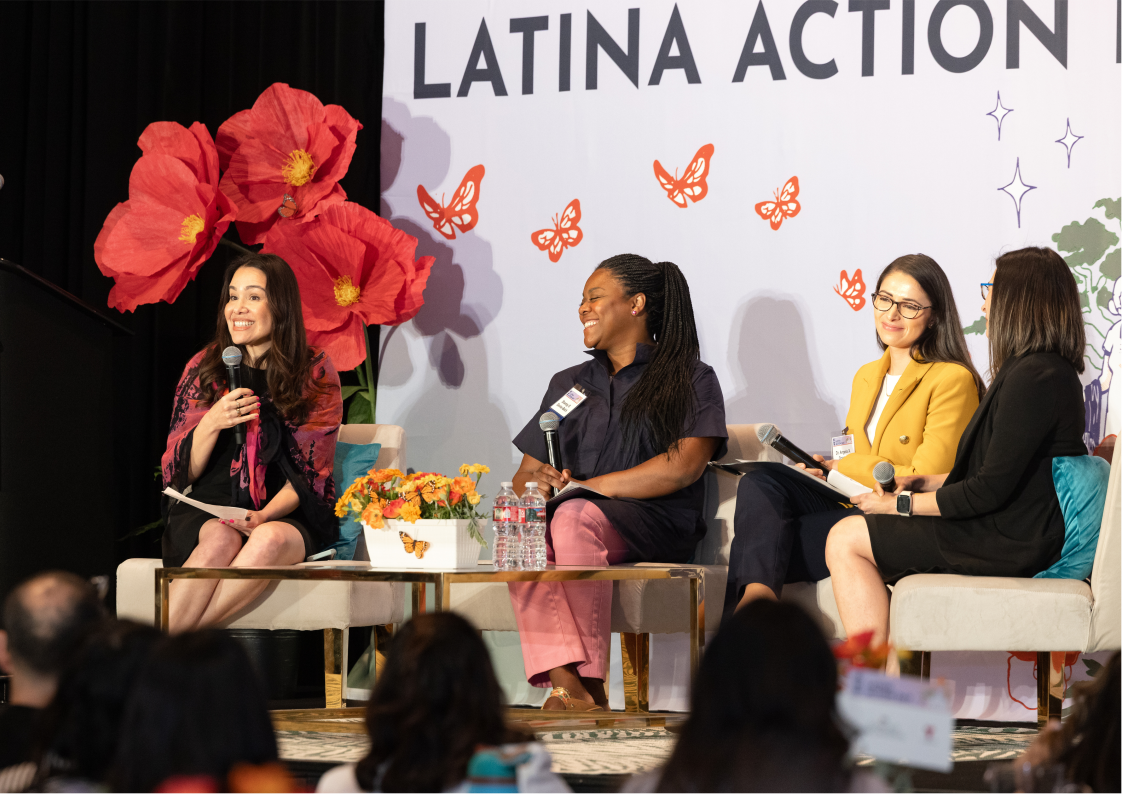
Listening to Mothers. Advancing Solutions.
HOPE’s 2025 California Equity in Maternal Health Report, developed with Black Women Organized for Political Action (BWOPA-TILE) with support from Kaiser Permanente, draws on the experiences of more than 800 survey respondents. Their experiences illuminate challenges in respectful care, awareness of patient rights, mental health, and access to maternal support services.
Maternal Health Research Findings
Explore Our Research


Turning Evidence Into Public Policy
HOPE combines community-informed research with policy education and nonpartisan civic leadership. Our historical legislative engagement demonstrates how research, informed leaders, and coalition relationships can contribute to stronger protections and access to care.
Legislative Progress
| Measure | Impact | HOPE Support | |
|---|---|---|---|
| 2024 |
AB 2319 |
Strengthened implementation of California’s Dignity in Pregnancy and Childbirth Act and accountability for implicit-bias training in perinatal care. |
Featured among HOPE’s 2024 maternal health policy priorities; signed into law. |
| 2024 |
AB 3161 |
Strengthened hospital reporting and patient-safety processes concerning discrimination, including channels for patient concerns. |
Featured at HOPE’s 2024 Latina Action Day; signed into law. |
| 2025 |
AB 55 (Mia Bonta) |
Reduced regulatory barriers affecting alternative birth centers, expanding the potential availability of maternity care options. |
HOPE-supported legislation; signed into law. |
From Research to Stronger Systems
Healthy families need systems that work together. HOPE connects research, leadership development, and community experience to identify barriers and strengthen how health care, child care, and economic supports reach families. Our approach begins by listening, prepares leaders to understand complex systems, and creates opportunities for institutions and communities to learn from one another.
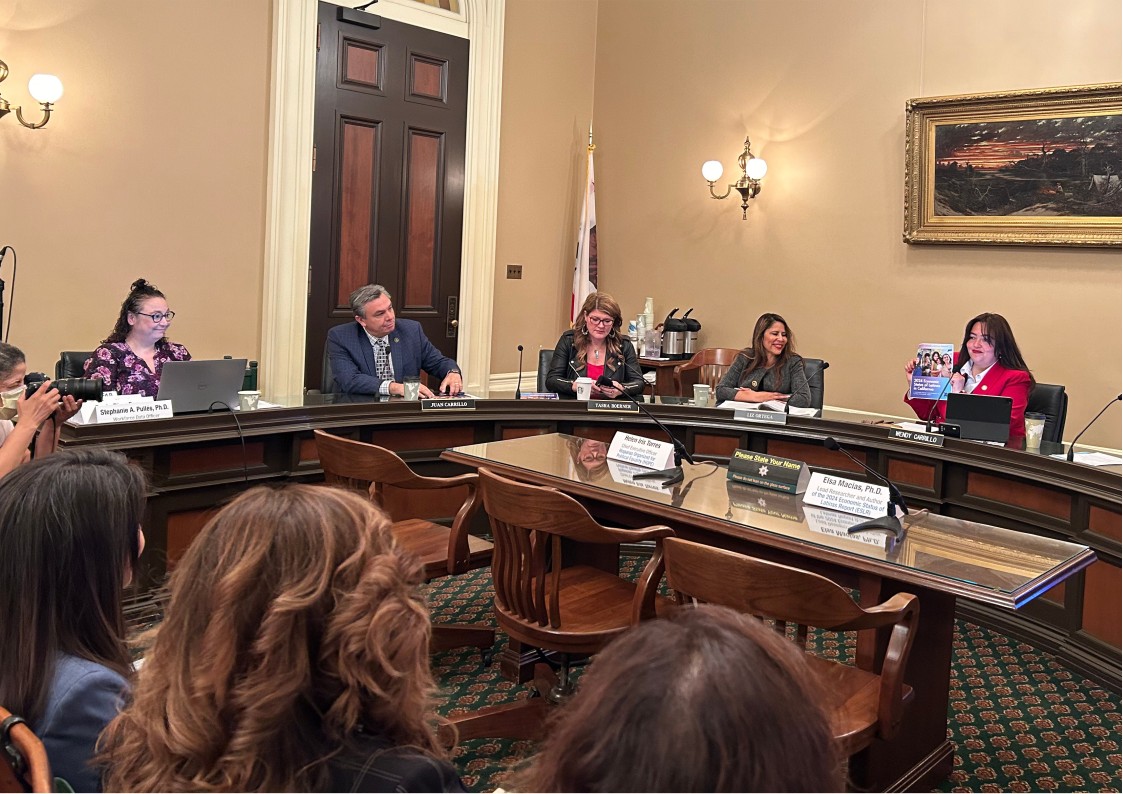
2027 and Beyond: Priority Areas
HOPE is deepening its long-term attention to two interconnected priorities: respectful maternal care and family economic stability. Through research, leadership education, and community engagement, we will examine how care quality, maternal mental health, health coverage, nutrition assistance, child care, paid leave, and health workforce pathways shape the well-being of mothers and children.
- Respectful maternal care: communication, dignity, patient safety, accountability, birth setting access, and postpartum mental health.
- Family economic stability: health coverage continuity, food security, child care, paid leave, and accessible support systems.
- Health workforce and leadership: informed leaders who understand systems, evidence, and community experience.
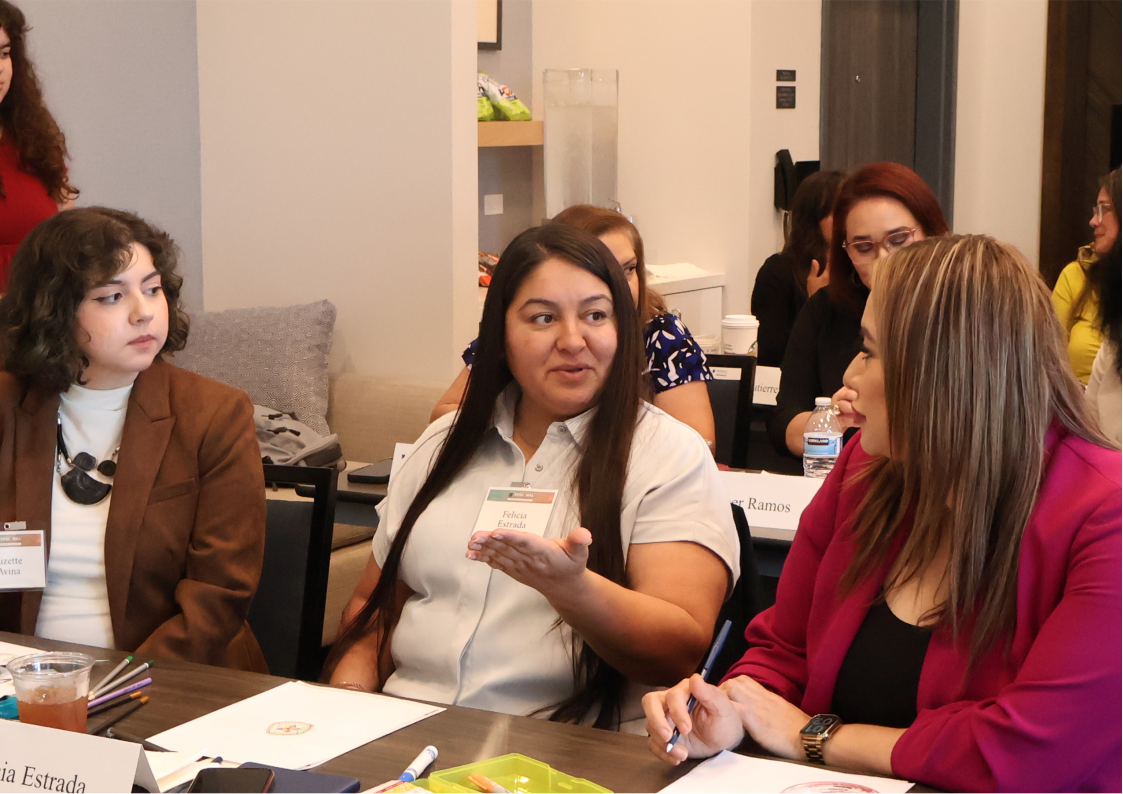
Learning That Leads to Stronger Communities
HOPE will make maternal health or family economic stability education a required component for participants completing its statewide HOPE Leadership Institute and participating Regional Leadership Institutes. Leaders will complete at least one of two adaptable learning modules and apply lessons through practical exercises.
Module A: Respectful Care, Healthy Mothers: Participants review HOPE maternal health findings, learn about respectful maternity care and postpartum supports, examine historical policy examples, and work through a fictional care journey to identify communication, referral, and accountability improvements.
Module B: Healthy Families, Economic Security: Participants examine how health coverage, food assistance, child care, paid leave, and household income intersect. They review accurately dated information about H.R. 1 and California implementation, then map a fictional family’s service navigation challenges.
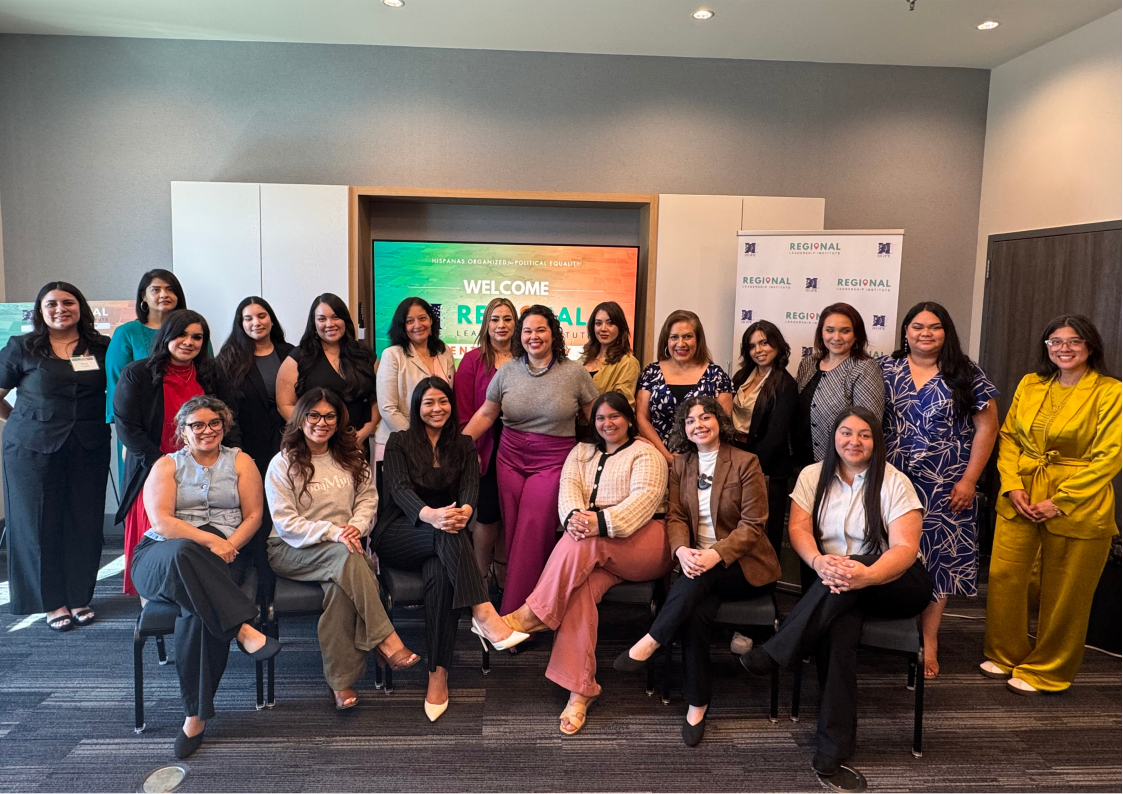
Bringing Leaders and Institutions Together
HOPE plans to convene Civic Tables in the Central Valley to bring together community leaders, alumnae, health care representatives, educators, and family-serving institutions. The tables will create space to understand local barriers, share accurate information, map services, and identify practical opportunities for stronger coordination. HOPE expects to convene at least six gatherings over three years, with 20–60 participants per convening.
Building a Healthier Future for Mothers and Families
HOPE is committed to developing informed leaders, elevating community experience, and strengthening the connections among health, economic opportunity, and public systems. We welcome opportunities to share research, exchange ideas, and work alongside institutions committed to healthier families and thriving communities.