Pathways and Priorities in California’s Healthcare Workforce
Insights from Black Women and Latinas
Healthcare workforce shortages in the United States are projected to grow significantly in the coming decades, increasing pressure on systems already facing rising demand for care. In California, demographic shifts, the lasting impacts of the COVID-19 pandemic, and the need for stronger public health preparedness have heightened the urgency of building and sustaining a robust healthcare workforce. Yet persistent barriers to education, training, and career advancement continue to shape who is represented in healthcare professions, leaving Black women and Latinas significantly underrepresented across many fields.
The 2026 California Equity in Healthcare Workforce Development Report, commissioned by Hispanas Organized for Political Equality (HOPE) and Black Women Organized for Political Action (BWOPA), centers the voices and experiences of Black women and Latinas pursuing or considering careers in healthcare. Based on survey data from 800 respondents and focus group insights, the report highlights key barriers and opportunities across the healthcare career pipeline and identifies pathways to strengthen access, support, and advancement in the field.
“California stands at a pivotal moment as healthcare workforce shortages intensify and demand for care continues to grow. This research comes at a critical time, elevating the voices and lived experiences of Black women and Latinas who are eager to serve in these essential roles. By listening to their insights and acting on the solutions they have identified, we have a clear pathway to strengthen the healthcare workforce and improve health outcomes for communities across our state.”
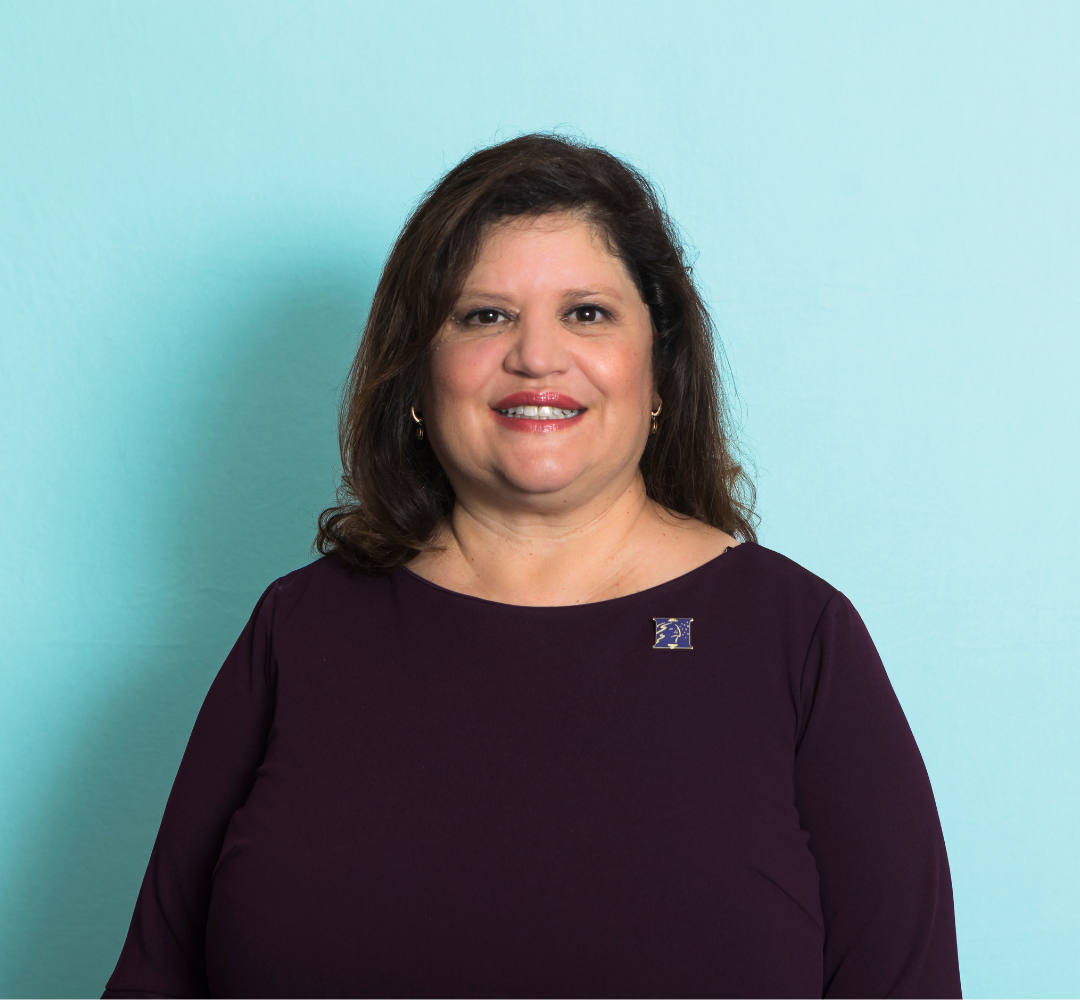
“This research makes clear that Black women and Latinas see healthcare careers as meaningful pathways to serve their communities and achieve economic mobility — yet the systems designed to support them are not keeping pace. Removing systemic economic barriers, expanding accessible training pathways, and strengthening workplace supports are essential to closing representation gaps. When we invest in their success, we strengthen families, communities, and California’s healthcare system as a whole.”